Consistent Freezing Without Frost Buildup
Freezer and Ice Maker Repair in Lewis Center for standalone units that cycle excessively, ice makers that stop producing cubes, and systems that leak water onto kitchen floors
Standalone freezers maintain food preservation by holding temperatures at or below zero degrees Fahrenheit, while ice makers depend on consistent water flow, freezing cycles, and ejection mechanisms to produce usable ice. When temperature controls drift out of calibration, defrost systems fail to cycle correctly, or water supply lines develop leaks, both appliances stop functioning reliably. Ray-One LLC diagnoses these failures in freezer units and built-in ice makers serving Lewis Center and surrounding Central Ohio homes where frozen food storage and ice production are expected to work without constant monitoring.
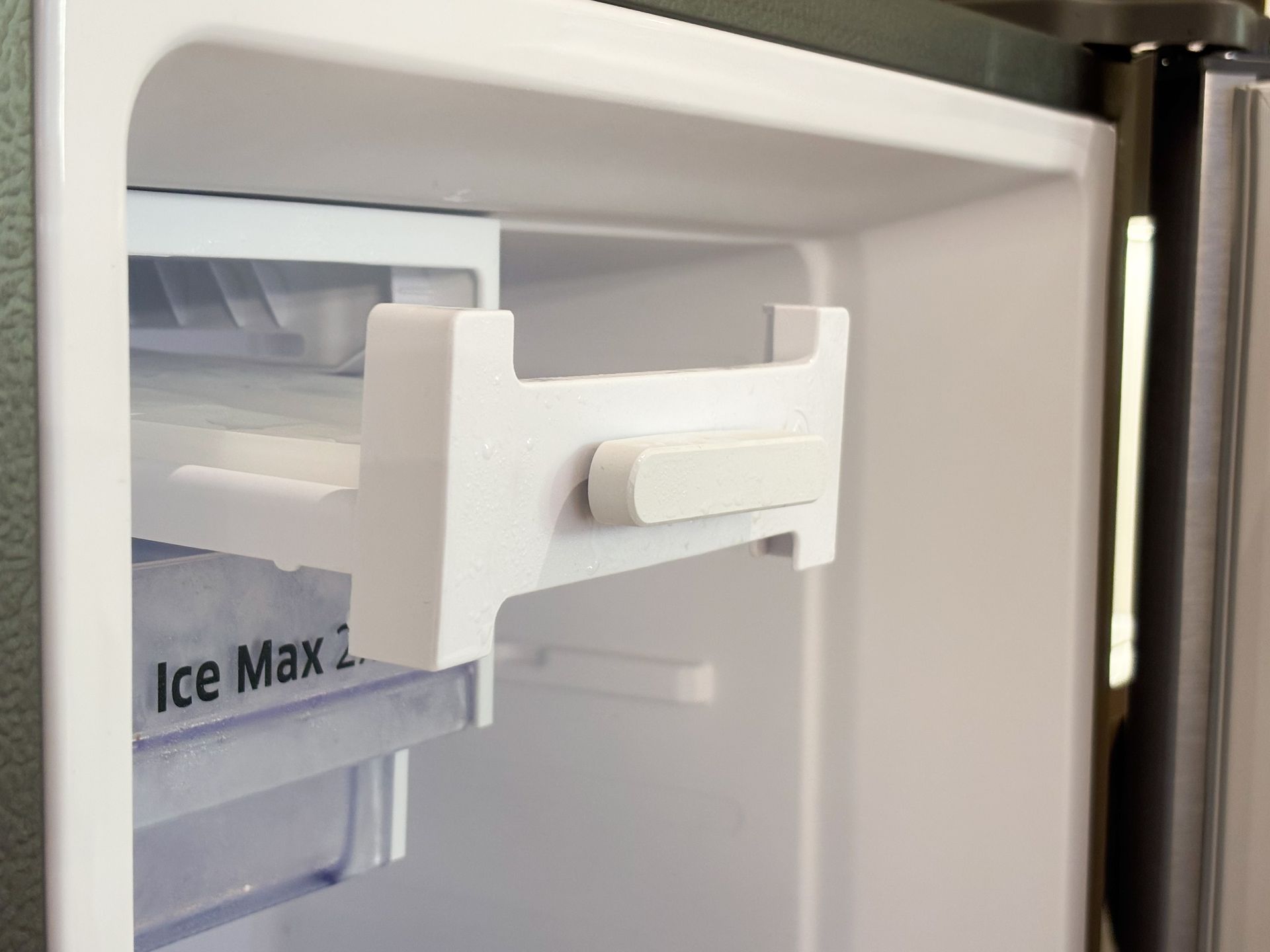
Freezer diagnosis involves measuring internal temperatures, inspecting door seals for air gaps, and testing defrost timers and heating elements that prevent frost accumulation on evaporator coils. Ice maker troubleshooting focuses on water inlet valves, fill tubes that freeze and block water flow, ejector arms that fail to push ice cubes into the collection bin, and thermostats that signal when the bin is full. When freezers frost excessively, thick ice layers form on interior walls and reduce usable storage space while forcing the compressor to run continuously.
Arrange an evaluation to determine whether temperature control failures or water supply issues are preventing proper freezer or ice maker operation.
What Changes Once Freezing Systems Function Correctly
Freezers operate using the same sealed refrigerant system as refrigerators but maintain much colder temperatures, which places greater demand on compressors and evaporator coils. Ice makers add water supply valves, fill cycles controlled by timers or sensors, and mechanical ejection systems that release frozen cubes. Temperature controls must signal defrost cycles at correct intervals to prevent ice buildup, while water supply lines must deliver consistent flow without freezing inside narrow fill tubes.
After repairs are completed, freezer interiors remain frost-free, internal temperatures stabilize at zero degrees or below, and compressors cycle off periodically instead of running without stopping. Ice makers fill molds completely, freeze cubes solid within two hours, and eject ice into bins without jamming or leaving partial cubes stuck in the tray. Water no longer leaks from inlet valves or drips onto floors beneath the appliance, and the unit operates quietly without the grinding or clicking sounds that indicate mechanical obstructions.
Some ice maker repairs require replacing the entire module assembly rather than individual components, especially in models where fill cups, ejector motors, and thermostats are integrated into a single sealed unit. Freezer repairs may involve defrost heater replacement, thermostat recalibration, or evaporator fan motor installation depending on the specific failure. Careful diagnosis prevents replacing expensive components like compressors when simpler fixes would restore function.
Common Questions About This Service
Homeowners need clarity on whether freezer and ice maker problems require full appliance replacement or if targeted repairs will restore reliable operation.
Why does my freezer develop thick frost even though it has an automatic defrost system?
Defrost timers that fail to advance through their cycles leave evaporator coils frozen, which blocks airflow and causes frost to spread throughout the interior. Defrost heaters that burn out also prevent ice from melting during the defrost cycle.
What causes an ice maker to stop producing ice completely?
Water inlet valves that clog with mineral deposits or fail electrically prevent water from entering the ice maker. Fill tubes that freeze shut in cold conditions block water flow, and faulty thermostats may signal that the bin is full even when it is empty.
How long should an ice maker take to produce a full bin of ice?
Most residential ice makers produce eight to ten cubes per cycle, with each cycle taking approximately ninety minutes to two hours. A full bin typically requires twelve to twenty-four hours depending on the model and freezer temperature.
When is freezer repair more practical than replacement?
Freezers less than fifteen years old with isolated component failures are usually worth repairing, especially chest freezers and upright models with manual defrost systems that have fewer parts to fail. Units with compressor failures or refrigerant leaks may cost more to repair than replace.
How does water quality in Central Ohio affect ice maker performance?
Hard water with high mineral content causes calcium and lime buildup inside inlet valves and fill tubes, which restricts water flow and eventually blocks the system completely. Sediment from municipal water lines can also clog inlet screens and reduce ice production over time.
Ray-One LLC provides dependable freezer and ice maker repair throughout the surrounding Central Ohio area for homeowners who need consistent freezing temperatures and reliable ice production restored. Schedule freezer or ice maker repair to address temperature drift, frost accumulation, or water supply failures before food storage capacity is compromised.