Heat That Dries Loads Completely
Clothes Dryer Repair in Lewis Center for units that run without producing heat, take multiple cycles to dry clothing, or make loud grinding noises during operation
Dryers that stop heating force homeowners to run loads repeatedly, which wastes time and increases energy costs without producing dry clothing. Ray-One LLC diagnoses heating element failures, blown thermal fuses, worn drum rollers, broken belts, and electrical component malfunctions in clothes dryers serving Lewis Center and the surrounding Central Ohio region. When dryers take longer than one cycle to dry a standard load, the problem often involves restricted airflow caused by lint buildup in exhaust vents or internal ducts, though heating system failures also extend drying times significantly. A dryer that tumbles clothes without heat leaves laundry damp and unwearable, while excessive noise indicates mechanical wear that can lead to complete drum failure.
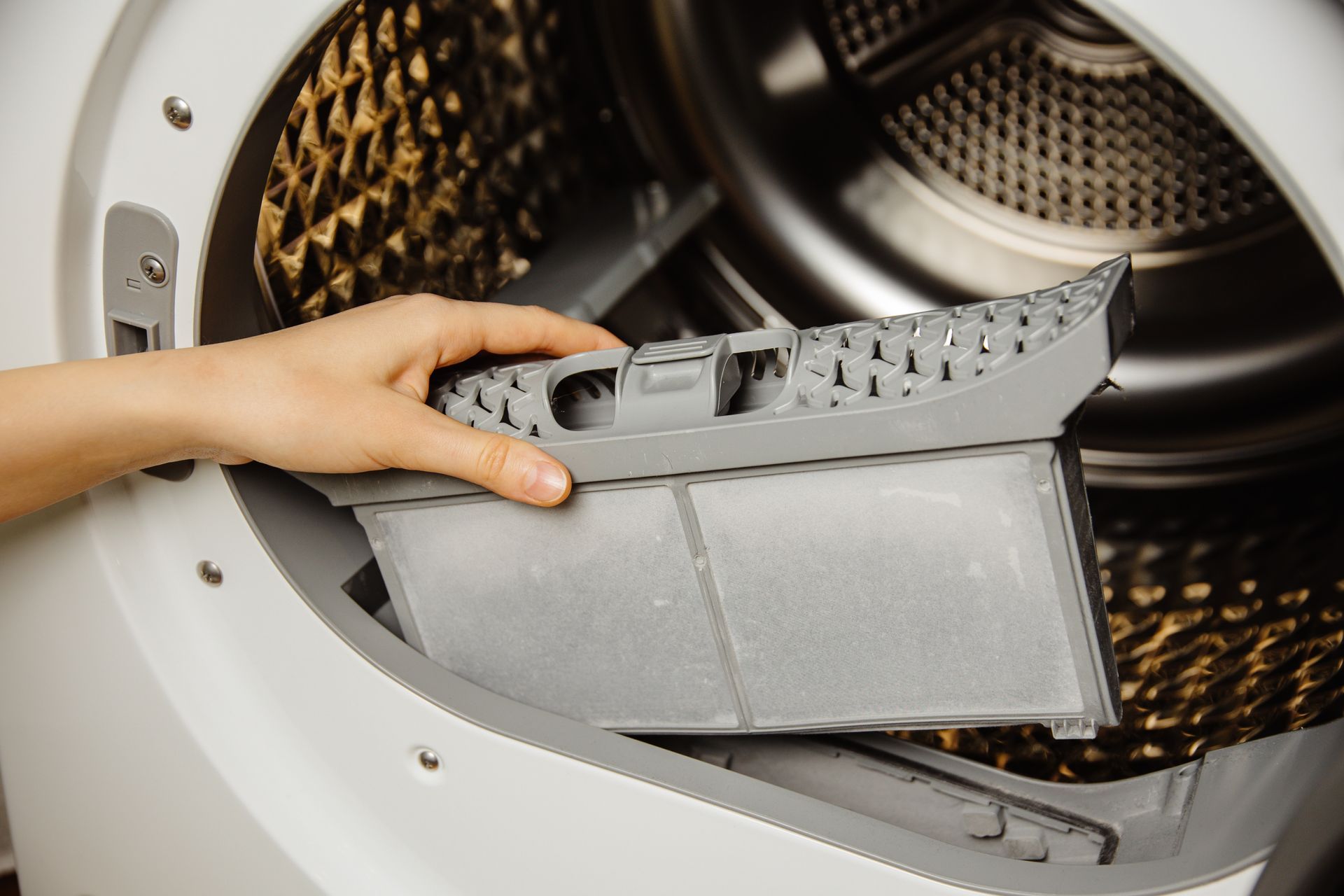
Technicians test heating elements with multimeters to measure electrical continuity, inspect thermal fuses that blow when exhaust temperatures exceed safe limits, and examine drum rollers and belts for wear patterns that cause squealing or thumping sounds. Airflow is evaluated by checking exhaust vents for blockages, measuring vent length and configuration, and inspecting internal lint screens that trap debris before it reaches the blower housing. Electric dryers require voltage testing at the terminal block to confirm proper power delivery, while gas dryers need igniter and flame sensor inspection to verify burner operation.
Request a dryer evaluation to determine whether heating system failures, airflow restrictions, or mechanical wear are preventing clothes from drying in normal cycle times.
What Timely Repairs Improve
Dryers generate heat using either electric heating elements or gas burners controlled by thermostats and cycling timers, then circulate hot air through tumbling clothes and exhaust it outside through vent ducts. When heating elements burn out or gas igniters fail, the dryer tumbles without producing heat. Thermal fuses blow when exhaust temperatures rise too high due to restricted airflow, which is a safety mechanism that prevents fires but also stops the heating system from operating. Drum rollers support the weight of the drum and clothing load, and when they wear out, metal-on-metal contact creates grinding or squealing sounds.
After repairs are completed, dryers produce consistent heat throughout the cycle, clothes finish dry after one standard cycle lasting forty-five to sixty minutes, and the unit operates quietly without thumping or scraping noises. Exhaust vents blow warm, moist air outside without restriction, and the drum rotates smoothly without wobbling or hesitation. Clothing emerges from the dryer completely dry rather than damp in spots or still wet along seams and thick fabric layers.
Lint buildup contributes to most dryer performance problems and creates fire hazards when it accumulates inside exhaust ducts and blower housings. Clearing exhaust vents often restores proper airflow and allows thermal fuses to reset, though blown fuses must still be replaced before the heating system will operate again. Belt replacement requires disassembling the dryer cabinet to access the drum, while heating element replacement in electric dryers is more straightforward and typically completed within an hour.
Questions Before Starting Your Project
Homeowners want to understand what causes dryers to lose heat, how long repairs take, and when lint buildup versus component failure is the primary issue.
Why does my dryer run but not produce any heat?
Electric dryers lose heat when heating elements burn out or thermal fuses blow due to overheating. Gas dryers stop heating when igniters fail to glow hot enough to open the gas valve, or when flame sensors detect unsafe conditions and shut off the burner.
How often should dryer exhaust vents be cleaned?
Vents should be cleared of lint buildup at least once per year, more frequently if the dryer is used daily or if the vent run exceeds fifteen feet. Long vent runs with multiple elbows trap lint faster and require more frequent cleaning to maintain airflow.
What causes a dryer to make loud thumping or squealing noises?
Worn drum rollers create thumping sounds as flat spots on the wheels contact the drum, while damaged belts and seized idler pulleys produce high-pitched squealing. Loose blower wheels also cause rattling or clanging noises during operation.
When is dryer repair worth the cost compared to replacement?
Dryers less than ten years old with heating or belt issues are usually worth repairing, as these components are relatively inexpensive. Drum or motor failures in older units may justify replacement, especially if the dryer has other worn components.
How does humid weather in Central Ohio affect drying times?
High humidity during summer months increases the moisture load that dryers must remove from clothing, which extends cycle times even when the heating system is functioning correctly. Restricted exhaust vents compound this issue by trapping moist air inside the drum.
Ray-One LLC provides reliable dryer repair service throughout the surrounding Central Ohio region for homeowners who need heating performance restored and mechanical noise eliminated. Schedule dryer repair service to address heating failures, extended drying times, or excessive noise before efficiency declines further and energy costs increase.