Systems That Function Without Emergency Repairs
Yearly Preventative Maintenance in Lewis Center for equipment that needs consistent operation throughout seasonal changes
Ray-One LLC handles yearly preventative maintenance in Lewis Center, addressing the need for systems that operate reliably during Ohio's temperature swings and humidity fluctuations. This service matters for property owners who depend on HVAC, plumbing, or mechanical equipment that can't afford unexpected failure during peak demand periods. The yearly maintenance structure provides scheduled inspections and adjustments before small issues escalate into system-wide breakdowns.
The service involves systematic inspection of critical components, cleaning of parts that accumulate debris or mineral buildup, and calibration of controls that drift from optimal settings over time. The one-time yearly fee covers labor and diagnostics, with parts billed separately as needed based on what inspections reveal. This pricing structure means you pay for the comprehensive evaluation up front, then handle component replacement only when wear indicators show it's actually necessary rather than on a predetermined schedule.
Request a maintenance evaluation to establish a baseline assessment of your current equipment condition.
What Scheduled Maintenance Actually Prevents
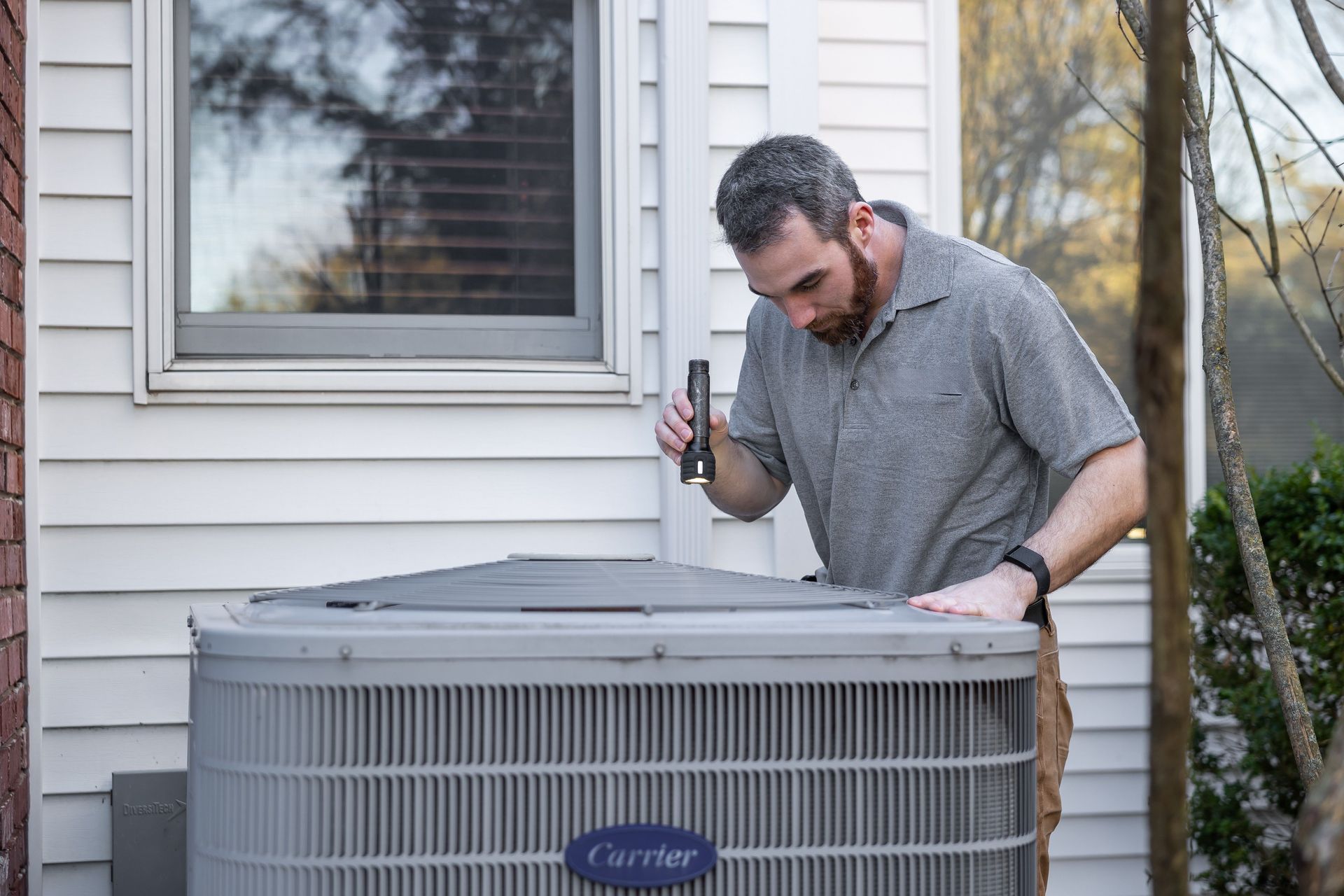
The yearly inspection process identifies wear patterns before they cause operational failure. Technicians check refrigerant levels, inspect electrical connections for corrosion, measure airflow against manufacturer specifications, and test safety controls that prevent dangerous malfunctions. Each inspection point addresses a specific failure mode that develops gradually rather than suddenly, giving you the opportunity to replace a worn component during scheduled service instead of during an emergency call in January or July.
After maintenance is completed, you'll notice systems reach set temperatures more quickly, airflow remains consistent across all registers, and equipment cycles on and off at appropriate intervals rather than running continuously or short-cycling. Energy consumption typically decreases because components operate at designed efficiency levels instead of compensating for clogged filters, dirty coils, or miscalibrated thermostats. Ray-One LLC documents findings from each visit, creating a service history that shows how specific components age and when replacement becomes more cost-effective than continued repair.
The service includes filter replacement, lubrication of moving parts, and tightening of electrical terminals that loosen from vibration and thermal expansion cycles. It does not include repair of components already in failure or upgrades to system capacity. If inspection reveals a part operating outside acceptable parameters, you'll receive specific information about what's failing, why it matters, and what timeline you're working with before it stops functioning entirely.
Questions Property Owners Ask Before Scheduling
Maintenance timing matters in Lewis Center, where heating and cooling demands shift sharply between seasons and equipment faces months of continuous operation during summer humidity and winter cold.
What happens during the yearly inspection?
The technician inspects all major components, tests system performance against baseline measurements, cleans parts that affect efficiency, and documents wear indicators that signal approaching component failure.
How does the pricing structure work for parts versus service?
The yearly fee covers labor, diagnostics, and routine maintenance tasks like filter changes and cleaning, while parts identified as worn or failed during inspection are billed separately based on actual component cost.
When should maintenance be scheduled for systems in Lewis Center?
Spring inspections prepare cooling systems before summer demand, while fall service ensures heating equipment operates efficiently through winter, though the specific timing depends on whether you're prioritizing heating or cooling equipment.
What components typically need replacement during routine maintenance?
Capacitors, contactors, and belts show predictable wear patterns and often require replacement every few years, while filters need regular replacement and thermostats may need recalibration as mechanical components age.
How does yearly maintenance extend equipment lifespan?
Regular cleaning prevents efficiency loss from dirt buildup, early detection of wear prevents secondary damage when one failed component forces others to work harder, and maintained lubrication reduces friction that accelerates mechanical wear.
Ray-One LLC schedules maintenance visits that fit your property's operational calendar, ensuring systems receive attention before peak-demand seasons begin. Arrange your yearly service to establish documented performance baselines for your equipment.